

• The purpose of the organization will be as follows:
• Assisting in the development of the health sector by conducting various activities
related to health.
• To support the production of skilled and entrepreneurial manpower by conducting
various technical and educational income-generating trainings in accordance with labor
market demand.
• Promotion of alternative energy in rural areas, electrification, education, health, rural
water supply and sanitation, irrigation, green roads, etc., and making rural areas equipped
with physical infrastructure by conducting such small projects.
• To reduce man-made and daily disasters, assist in systematic habitat tree planting, and
conduct awareness programs and immediate relief in case of natural disasters, fire, or
similar emergencies.
• Human trafficking, witchcraft, gender violence, violence against women, child
marriage, polygamy, drug addiction, corruption, and other social evils — conduct
effective programs and public awareness campaigns.
• Conduct programs related to science, information technology, environment protection,
sustainable peace establishment, and sports development.
• To bring positive change in society, support the formulation of research policies and
laws, and conduct public awareness programs.
• Conduct projects related to safe migration.
• To prevent environmental pollution, organize clean-up and tree planting campaigns, and
implement other related projects.
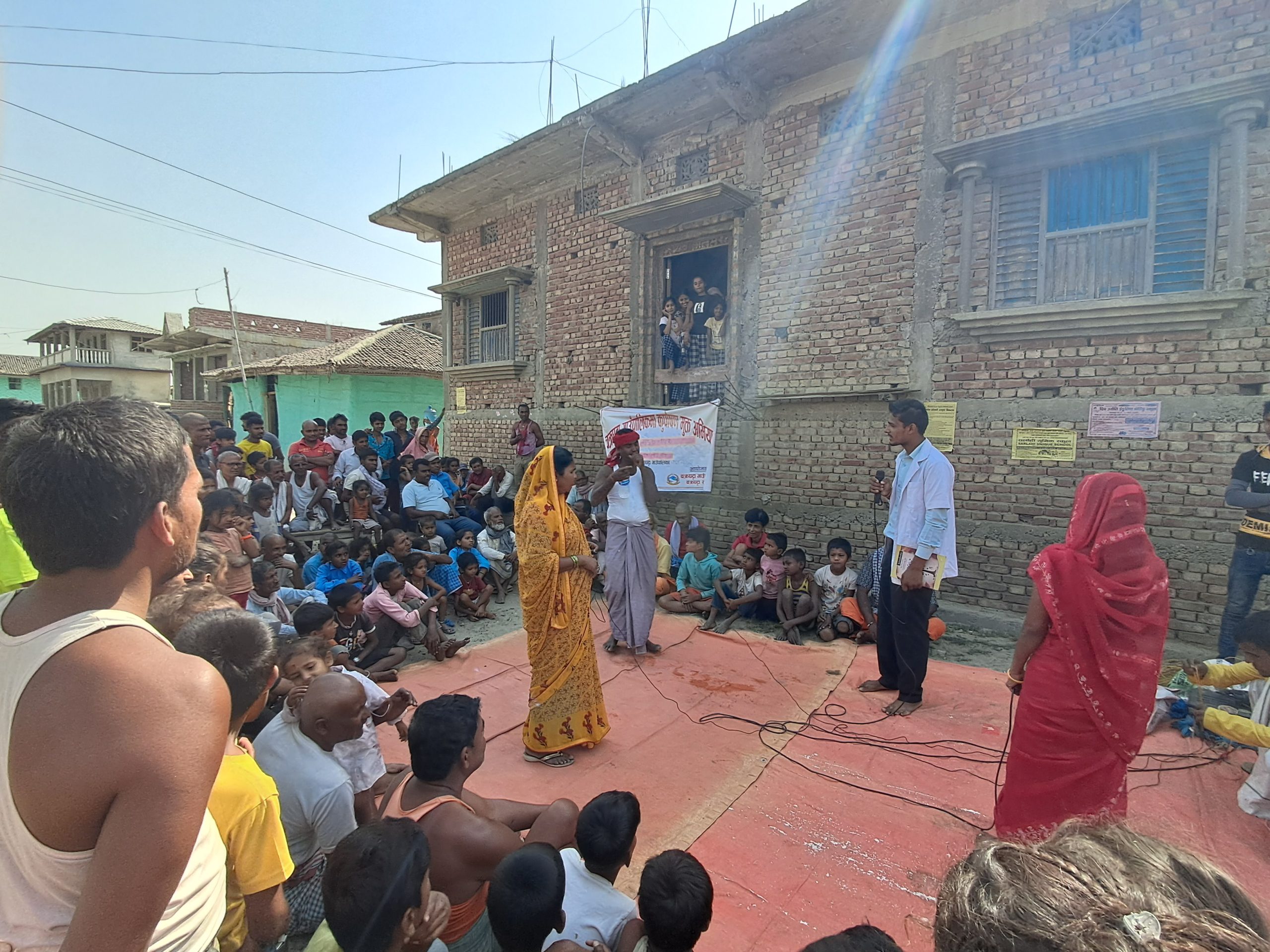
Strategic Objectives
For further growth and progress, SDC Nepal has identified the following strategic objectives, which will help increase its working capacity. These objectives are aimed at increasing livelihood opportunities for Dalit, Janajati, women, marginalized, and disadvantaged groups and improving access to health, education, and employment.
1. Awareness and Rights-Based Advocacy: Increase awareness and advocacy programs for the rights of women, Dalit, Janajati, children, and marginalized groups. This helps reduce caste, ethnicity, and gender discrimination and promotes social harmony.
2. Social Mobilization: SDC Nepal is well-versed in applying participatory tools and
techniques in social mobilization under its project implementation work, especially in
awareness raising, peacebuilding, and livelihood activities. Tools such as PRA, PLA,
REFLECT, Strength-Based Approach (Appreciative Inquiry), self-help group formation, and advocacy are examples. These tools encourage target groups to assess their needs, problems, priorities, and opportunities in their livelihoods.
3. Capacity Building: SDC Nepal has been working as a capacity-building organization for local NGOs, civil society, and local government bodies.
4. Project Management and Development: SDC Nepal has managed projects in collaboration with different partners using participatory methodologies.
5. Income Generation and Livelihood Promotion: Increase livelihood opportunities for women, Dalit, Janajati, disadvantaged groups, youth, and marginalized communities through income generation and market-oriented short-term skill development training.
6. Water, Health & Sanitation: Ensure access to safe drinking water, sanitation, and
general health for women and children in rural and remote communities.
Child Protection: Develop and implement a child safety policy to prevent sexual, physical, and emotional exploitation, abuse, and violence against children.
7. Institutional Capacity Development: SDC Nepal believes in hard work, accountability, and transparency to sustain and strengthen capacity development programs, aiming to be a reputed national-level NGO.
8. Gender and Social Inclusion: SDC Nepal has developed its gender and social inclusion policy, established a gender-friendly environment, and uses GESI as a cross-cutting theme in all projects.
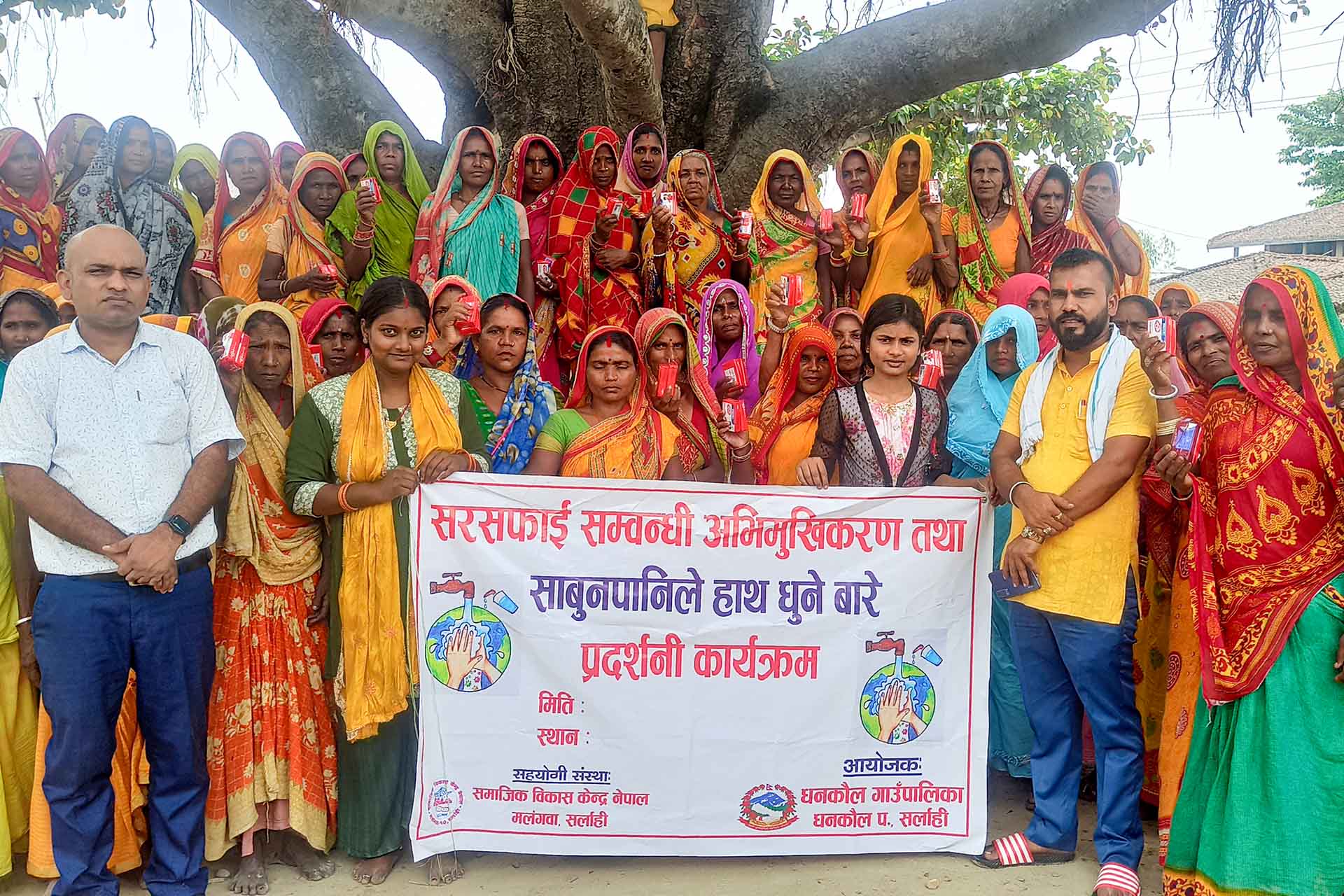
Strategy and Approaches of SDC Nepal
SDC Nepal facilitates community participation in program formulation, implementation, and monitoring, ensuring equal participation of women in decision-making and the workplace.
1. Participation: Full participation of Dalit, women, and children with direct experience of targeted problems.
2. Networks/Coordination and Linkages: Create new networks including District
Administration, DCC, M/RM, government agencies, academics, police, social activists, NGOs, stakeholders, and donors committed to empowering marginalized communities, women, and children.
3. Rights and Advocacy: Bring about positive changes in attitudes and policies concerning marginalized communities through organization and empowerment.
4. Non-Discriminatory: Build respect for individual and human rights across religion,
region, caste, gender, and political lines.
5. Gender Sensitiveness: Provide equal opportunities for men and women in the workplace and community.
6. Empowerment and Conflict Reconciliation: Empower targeted communities and build peace through reconciliation of interests.
7. Non-Political: Activities and programs of the organization will not favor any political party and will remain neutral.
8. Accountability and Transparency: SDC Nepal will be accountable to target
communities and share all information transparently.
9. Inclusion: Ensure inclusiveness of target communities and disadvantaged groups in
decision-making and program implementation.